
By Dr. Fareed Rahman, Dementia Specialist (BAMS, MSc(Psy) PGD in Mental Health )
The Crucial Difference Between Normal Aging and Dementia
As a specialist dedicated to Dementia care, I frequently observe a significant challenge: the common lack of awareness regarding the crucial difference between simple age-related forgetfulness and the insidious onset of Dementia. Many people, and even their caregivers, struggle to differentiate between the occasional memory lapse that comes with getting older and the progressive cognitive decline that signals a disease process.
This blog aims to shed light on the key early signs of Dementia and emphasize why a comprehensive, specialized approach to diagnosis and treatment is important. Recognizing these distinctions early is the first and most critical step towards effective intervention and improving the quality of life for those affected.

Recognizing the Early Symptoms of Dementia
Beyond Simple Forgetting
Dementia is not a single disease but a general term for a decline in mental ability severe enough to interfere with daily life. The early and progressive symptoms are more than just a weak memory; they involve functional impairment:
Initial Stages (Mild Cognitive Impairment to Early Dementia):
▪️ Repetitive Questioning: Forgetting information presented just moments ago, leading to repeating the same questions or stories repeatedly.
▪️ Misplacing Items and Suspicion: Misplacing everyday items and then expressing suspicion that others have taken them, rather than realizing it’s a memory failure.
▪️ Difficulty with Routine Tasks: Struggling with complex, familiar tasks like managing finances, cooking, or operating common household appliances.
▪️ Mood Changes: Increased anxiety, fear, suspicion, and general unease.
Progressive Stages (Moderate to Severe Dementia):
▪️Loss of Recent Memory, Recall of the Past: Recent events are forgotten entirely, while distant past memories often remain strikingly vivid.
▪️ Wandering and Disorientation: Leaving the house and getting lost easily. Experiencing a persistent belief that they are not in their own home or familiar surroundings.
▪️ Functional Decline: Inability to control basic functions like bladder or bowel movements (incontinence).
▪️ Eating Issues: Forgetting they have just eaten, leading to repeated requests for food, or difficulty following the steps of the eating process.
The Critical Need for Timely Diagnosis and Specialized Treatment – Early diagnosis is key!
We provide Ayurvedic Treament to delay further progression of Dementia to improve the quality of life !!
▪️Symptom Management: Ayurvedic Medications and targeted therapies can help manage challenging behavioral and psychological symptoms (BPSDs), stabilizing mood and improving daily function.
▪️ Slowing Cognitive Decline: Treatment can slow the rate at which cognitive abilities decline, helping the individual maintain independence and quality of life for longer.
* Most important Caregiver Support: Provides families with the necessary time, knowledge, and resources to plan future care and manage the disease effectively.
💡 Why a Specialist’s Cognitive Assessment is Essential ? More Than Just a Scan !!
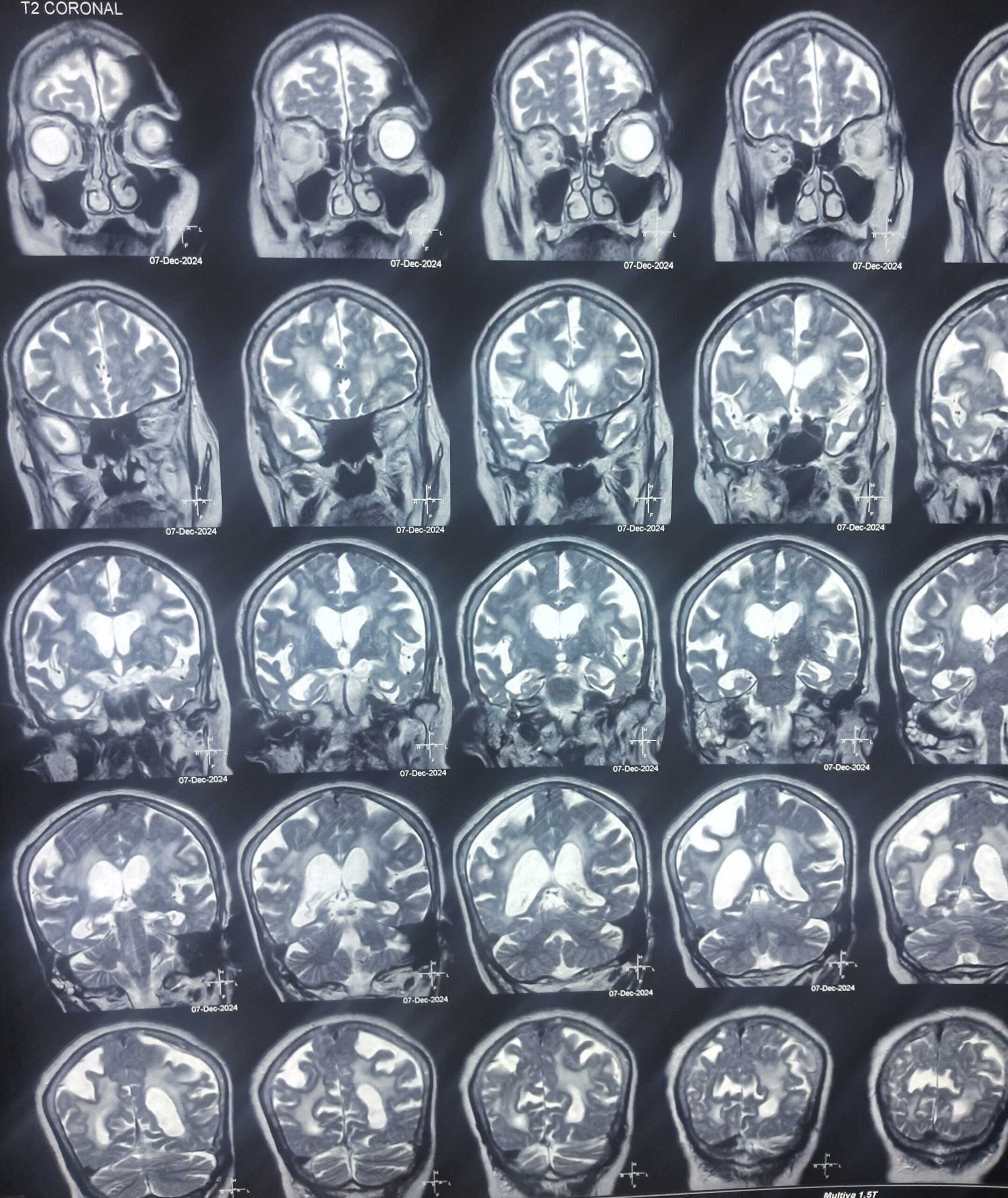
When memory issues arise, structural assessments like MRI or CT scans are crucial to rule out reversible causes (e.g., vitamin deficiency, tumors, or vascular blocks like strokes), However, diagnosing Dementia requires a deeper, functional assessment.
▪️ Frontal Lobe: Executive function, judgment, and planning.
▪️ Temporal Lobe: Memory, language comprehension, and recognition.
▪️ Occipital Lobe: Visual interpretation and spatial awareness.
▪️ Parietal Lobe: Sensory processing and navigation.
Take Action Today- If you or a loved one is exhibiting concerning memory changes, do not dismiss them as 'just old age.' Seek a comprehensive assessment from a qualified Dementia Specialist. Early detection is your best strategy for managing the disease and safeguarding the well-being of the patient.
Dr Fareed Rahman (Specialized in Dementia & Cognitive Decline )