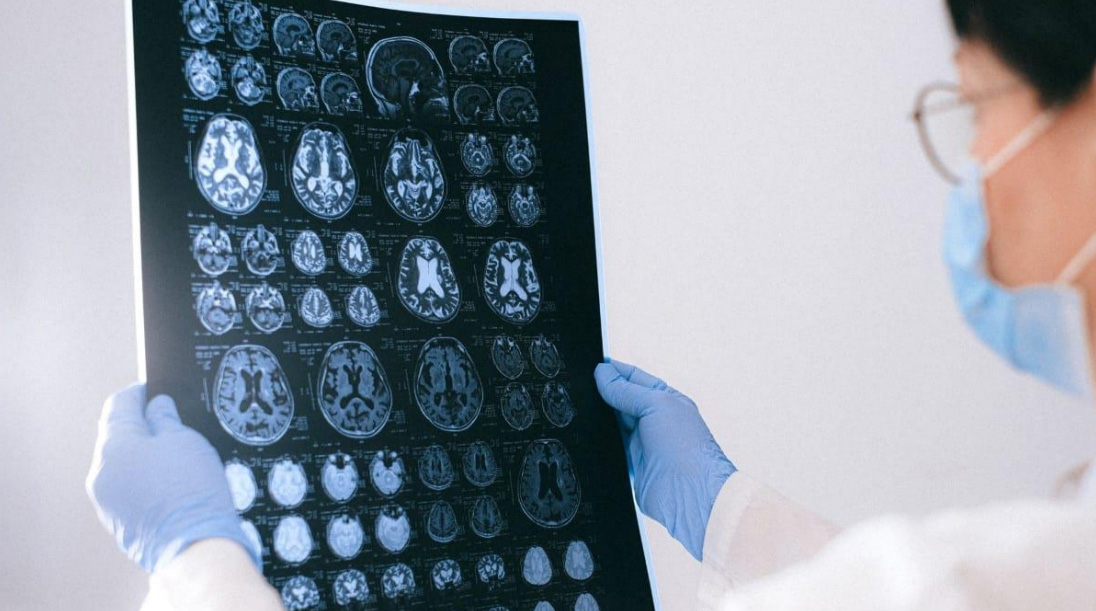
What we find on MRI of Dementia patients?
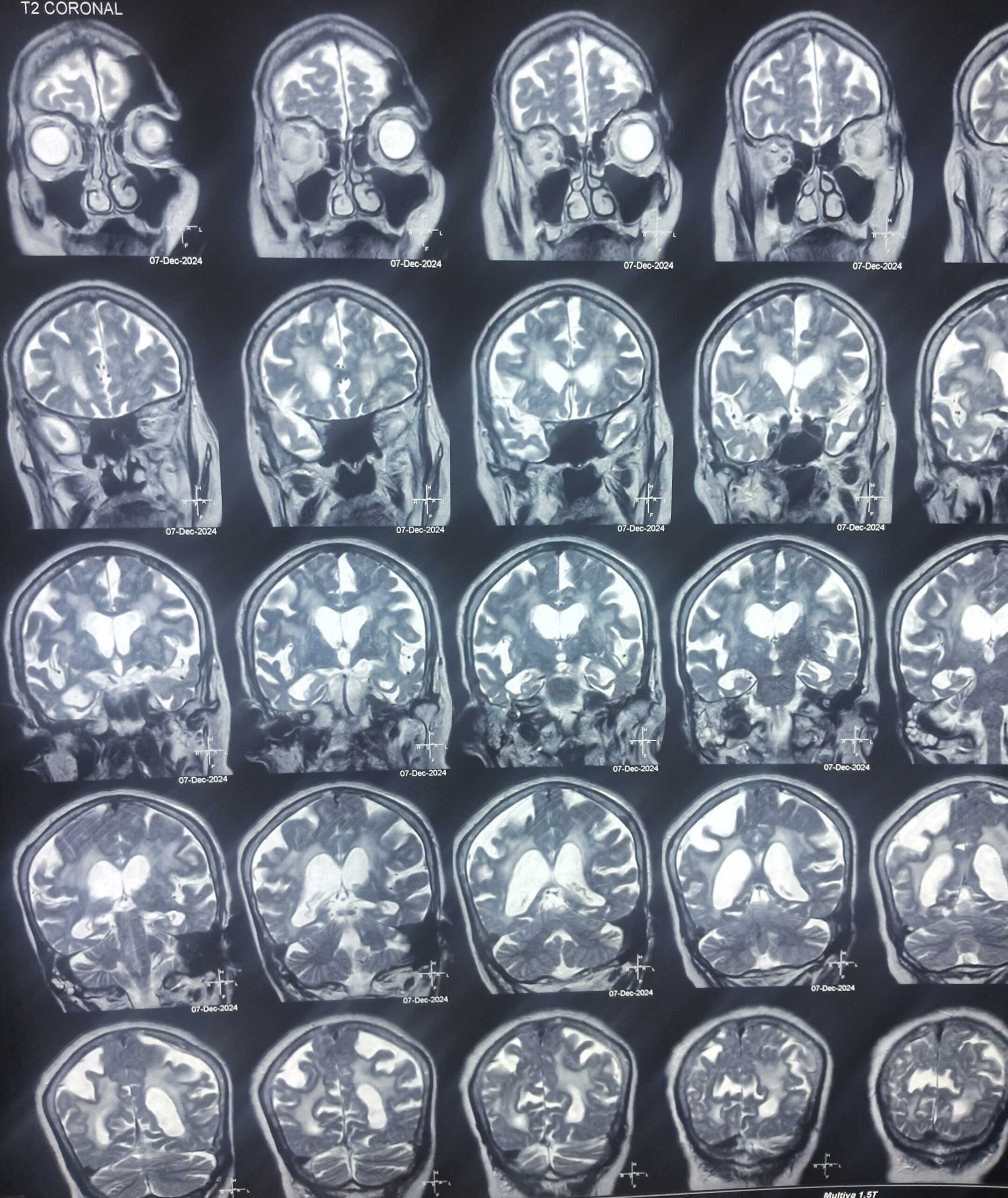
One of the most frequent findings is neuroparenchymal atrophy. This is a technical way of saying the brain tissue is shrinking. As brain cells (neurons) are lost, the physical mass of the brain decreases.
One of the most frequent findings is neuroparenchymal atrophy. This is a technical way of saying the brain tissue is shrinking. As brain cells (neurons) are lost, the physical mass of the brain decreases.
Long-term inpatient (IP) hospitalization for dementia can lead to significant financial strain on families. Furthermore, being away from home for extended periods can sometimes increase a patient’s confusion and anxiety.
When your loved one is being rigid or arrogant, the natural instinct is to argue with logic. But because their brain has changed, logic rarely works. Arguing with a damaged frontal lobe will only frustrate both of you.
Take Action Today, If you or a loved one is exhibiting concerning memory changes, do not dismiss them as ‘just old age.’ Seek a comprehensive assessment from a qualified Dementia Specialist. Early detection is your best strategy for managing the disease and safeguarding the well-being of the patient.
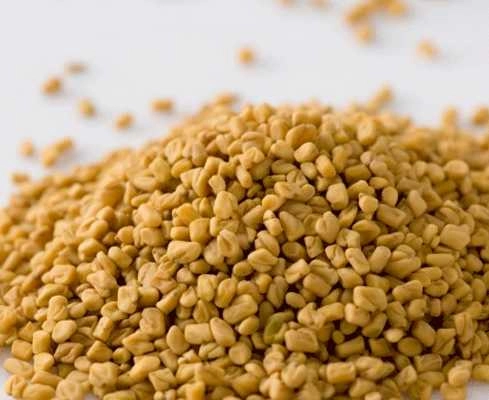
ഉലുവയിൽ അടങ്ങിയിട്ടുള്ള സപ്പോണിൻസ്, ഫൈബർ എന്നിവ രക്തത്തിലെ പഞ്ചസാരയുടെ അളവ് കുറയ്ക്കാൻ സഹായിക്കുന്നു. ഭക്ഷണം കഴിച്ച ശേഷം രക്തത്തിലെ ഗ്ലൂക്കോസ് പെട്ടെന്ന് ഉയരുന്നത് തടയാൻ ഉലുവയ്ക്ക് കഴിവുണ്ട്.
We are providing First free online consultation for dementia as a part of Alzheimer’s Dementia Awareness program for a limited period. (Limited period only) Dr. Fareed Rahman, a renowned dementia specialist in India, has dedicated his career to understanding and managing the complexities of dementia. As the founder of Kottampara Ayurveda Dementia Care, he has […]
t Kottampara Ayurveda Vaidyasala & Dementia Care, our mission is to empower individuals and families with knowledge and compassionate care.
ഒരു വ്യക്തി പ്രായമാകുമ്പോൾ ചില ഓർമ്മ മാറ്റങ്ങൾ ചിലപ്പോൾ വന്നേക്കാം,പക്ഷെ എല്ലാവരിലും ഇങ്ങനെ കാണണം എന്നില്ല
our specialised ayurvedic nootropic formulations play a vital role by enhancing neurotransmitter function, improving circulation to the brain, and slowing cognitive decline. Through consistent use, they offer a natural, sustainable way to support mental acuity and emotional balance.
The brain’s lobes, including the temporal, frontal, parietal, and occipital lobes, play a crucial role in cognitive function, memory, and behavior. In dementia, the degeneration of brain cells and tissues affects these lobes, leading to distinct symptoms.