Dr Fareed Rahman ( Dementia Specialist )
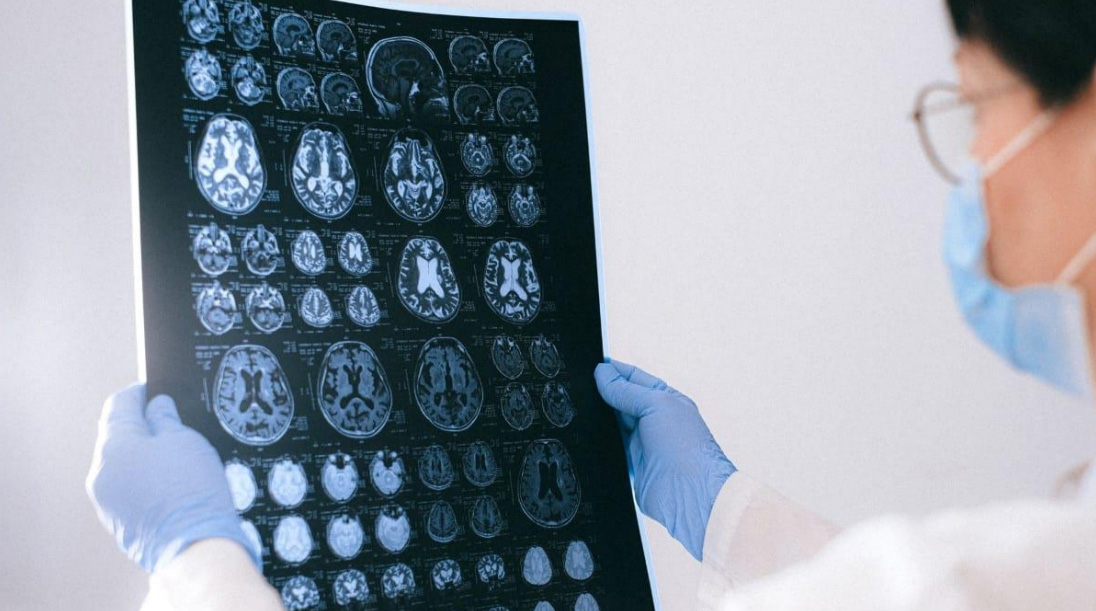
MRI is a tool for mapping the brain’s structure to look for patterns of change. When a loved one begins to experience memory loss or cognitive decline, an MRI (Magnetic Resonance Imaging) is often one of the first major diagnostic steps after Mental Statement Examination (MSE).
While many people expect a simple “yes” or “no” for a dementia diagnosis, an MRI is actually a complex map. It doesn’t just show dementia; it shows the story of the brain’s health.
Here is some points what a specialist looking for when they order these scans in Dementia patients.
1. Neuroparenchymal Atrophy (The Shrinking Brain)
One of the most frequent findings is neuroparenchymal atrophy. This is a technical way of saying the brain tissue is shrinking. As brain cells (neurons) are lost, the physical mass of the brain decreases.
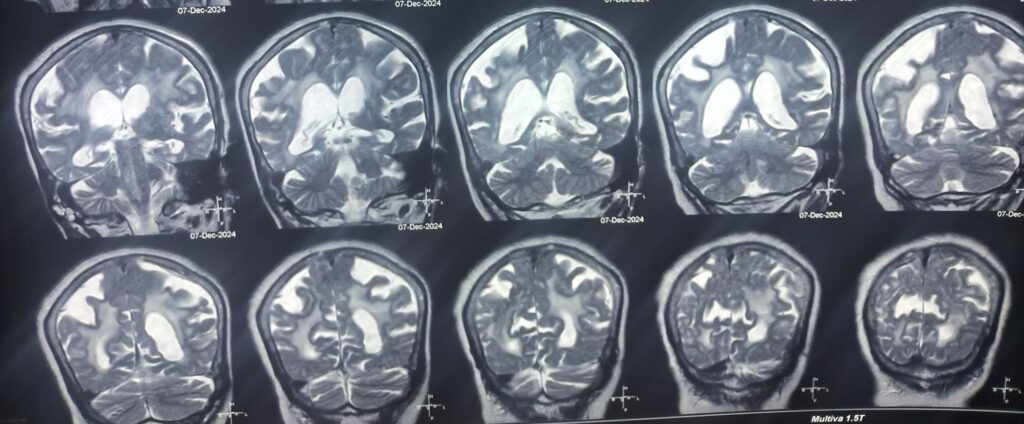
While some atrophy is normal with aging, “diffuse” or “significant” atrophy helps confirm a neurodegenerative process. Specifically, shrinkage in the hippocampus is a classic hallmark often associated with Alzheimer’s disease.
Common Question
Q : Is Dementia a normal part of aging?
A : No, Dementia is a syndrome that can be caused by a number of diseases which over time destroy nerve cells and damage the brain, typically leading to deterioration in cognitive function beyond what might be expected from the usual consequences of biological ageing.
2. Small Vessel Ischemic Changes
You will often see terms like “Chronic small vessel ischemic changes” or the “Fazekas Scale” (ranging from Grade 1 to 3) on a report
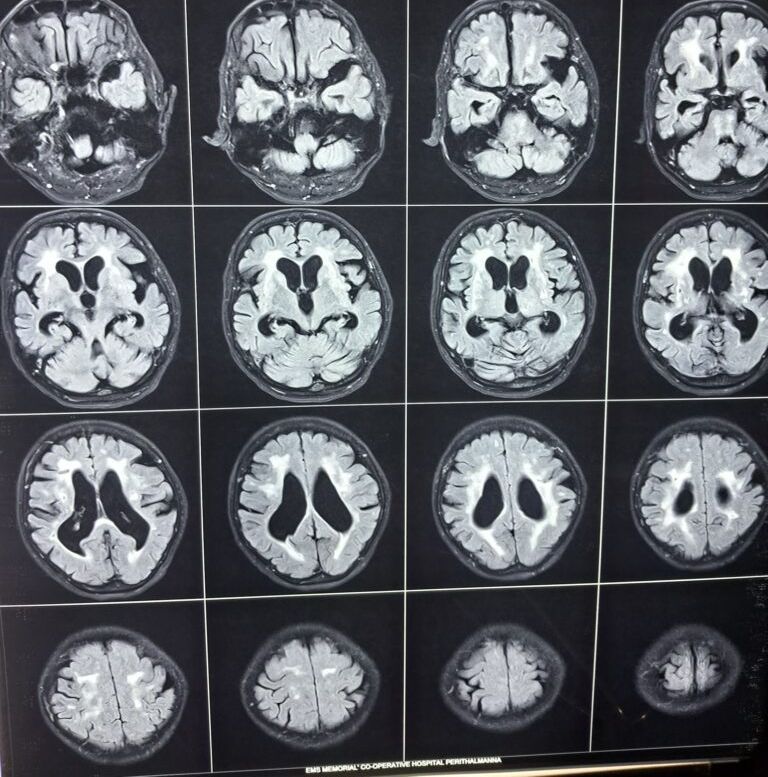
A Fazekas Grade 1 is very common in older adults, but a Grade 3 indicates more extensive damage. This is a key finding in diagnosing Vascular Dementia, where cognitive decline is caused by poor blood supply rather than just plaque buildup.
3. “Old” and “Acute” Infarcts (Strokes)
An MRI can reveal “infarcts”—areas where brain tissue has died due to a lack of blood supply (a stroke).
- Chronic Infarcts: These are old “scars” that might have happened years ago without the person even knowing.
- Acute Infarcts: These are fresh events, indicates a very recent stroke that requires immediate medical attention.
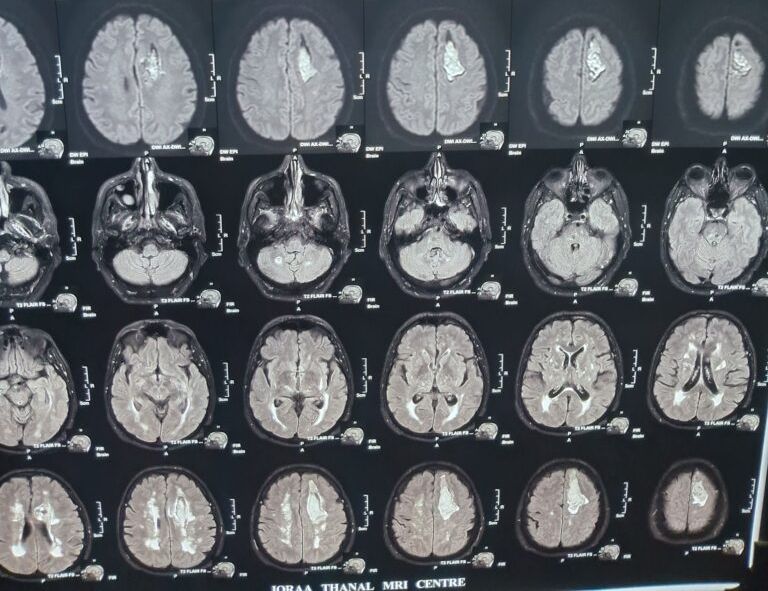
- Multiple small strokes can lead to “Multi-infarct dementia,” characterized by a “step-wise” decline in memory and function.
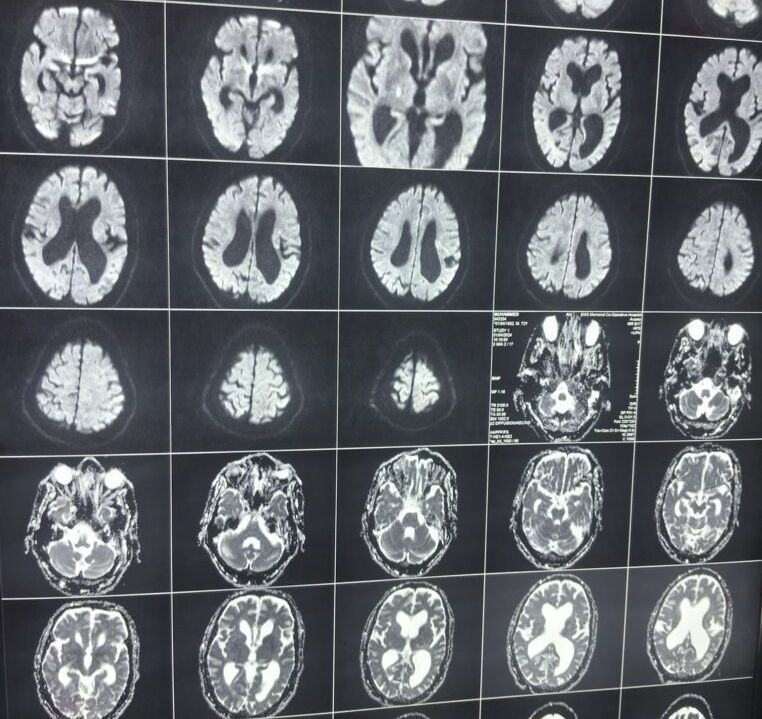
- Normal Pressure Hydrocephalus (NPH) is a treatable brain disorder causing excess cerebrospinal fluid (CSF) buildup in the brain’s ventricles