
By Dr Fareed Rahman (Dementia Specialist)
When we think about indigestion, we usually focus on the physical discomfort: the bloating, the sharp stings of acid reflux, or that heavy “brick in the stomach” feeling. However, as medical research evolves, we are discovering that the health of our gastrointestinal tract is inextricably linked to our psychological well-being. Chronic indigestion isn’t just a stomach issue; it’s a mental health concern.
The Second Brain and Neurotransmitters
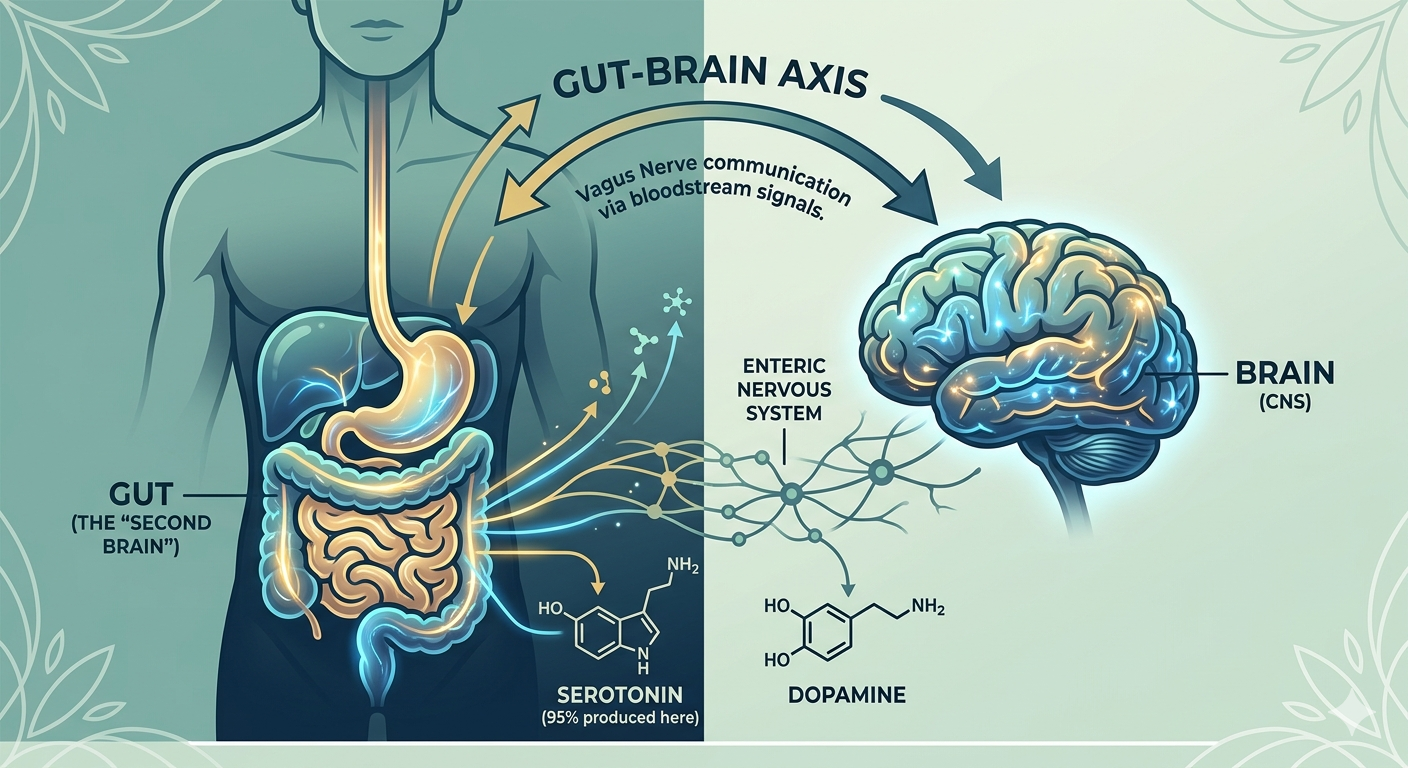
The gut is often referred to as the “second brain” because of the enteric nervous system (ENS), a vast network of neurons lining our digestive tract. This system communicates constantly with the brain, and the messengers they use are the same chemicals that regulate our mood.
- Serotonin : Often called the “happy chemical,” approximately 90% to 95% of the body’s serotonin is produced in the gut. Long-term indigestion and inflammation can disrupt this production, leading to increased risks of anxiety and depression.
- Dopamine : This neurotransmitter governs our sense of reward and motivation. An unhealthy gut environment can impair the signaling of dopamine, resulting in “brain fog,” lack of focus, and a decreased ability to feel pleasure.
The Cycle of Chronic Distress
Long-term indigestion creates a vicious cycle. Persistent physical discomfort acts as a low-level chronic stressor on the body. This triggers the “fight or flight” response, which redirects blood flow away from the digestive system to the muscles. This further slows down digestion, leads to more discomfort, and reinforces feelings of irritability and exhaustion. Over time, patients with chronic GI issues often develop a heightened sensitivity to pain and a persistent sense of unease.
Healing Through Proper Nutrition
To break this cycle, we must address the fuel we provide our bodies. Good digestion isn’t just about what you eat, but how much. Overloading the stomach causes mechanical stress and chemical imbalances that trigger the very indigestion we seek to avoid.
The Golden Rule of Quantity:
A helpful guideline is the “rule of thirds.” To maintain optimal digestive fire and mental clarity, aim to fill your stomach with:
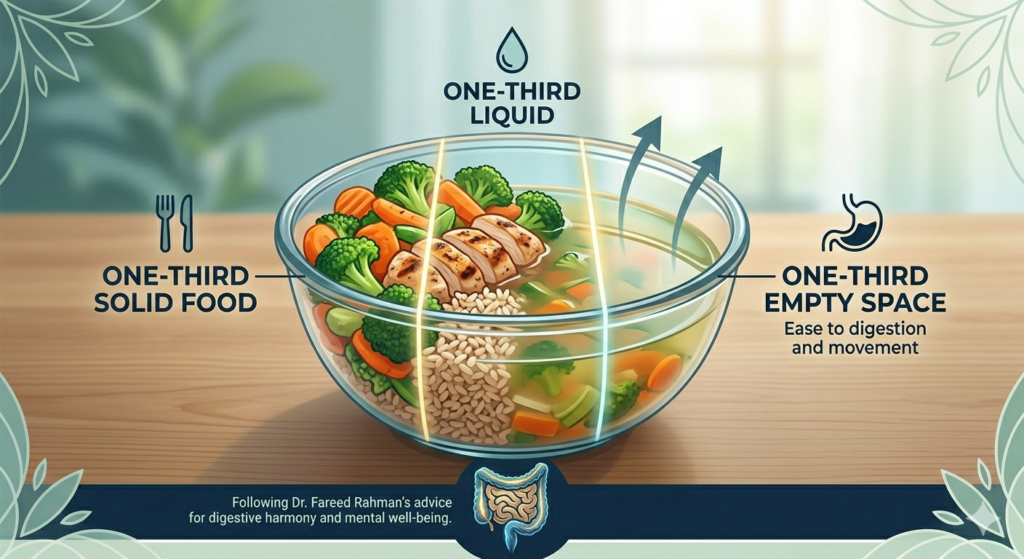
One-third solid food: Nutrient-dense, whole foods.
One-third liquid: Water or warm broths to aid breakdown.
One-third empty space: Crucial for the stomach to churn and process food effectively.
My advice
If you have been feeling uncharacteristically low, anxious, or sluggish, the culprit might be your gut. By prioritizing digestive health—eating in moderate quantities and choosing gut-friendly nutrients—you aren’t just healing your stomach; you are nourishing your mind.
Invest in your digestion today for a clearer, happier tomorrow.